Bulgaria is a piece of paradise still largely undiscovered by the world. Nestled in southeastern Europe, it borders Romania to the north, Serbia and North Macedonia to the west, Greece and Turkey to the south, and the Black Sea to the east. Though modest in size, the country boasts an incredible diversity of landscapes—plains, plateaus, hills, mountains, basins, gorges, and deep river valleys.
Whether you head east or west, Bulgaria offers an abundance of natural wonders, scenic beauty, and unique cultural experiences. In this post, I’d like to share a few places in western Bulgaria that are especially close to my heart—on the road to Tran (Bulgarian: Трън, meaning “thorn”), a small town in Tran Municipality, Pernik Province. Located 27 km from Breznik and just 15 km from the Serbian border, Tran was first mentioned in historical records in 1451.
The drive from Sofia to Tran, passing through Breznik, is full of charm and spectacular views. Along the way—near the area where the famous “Thorn Water” originates—you’ll come across a village called Paramun (Bulgarian: Парамун). The name, when spoken aloud, sounds amusingly similar to “Paramount” to some ears.
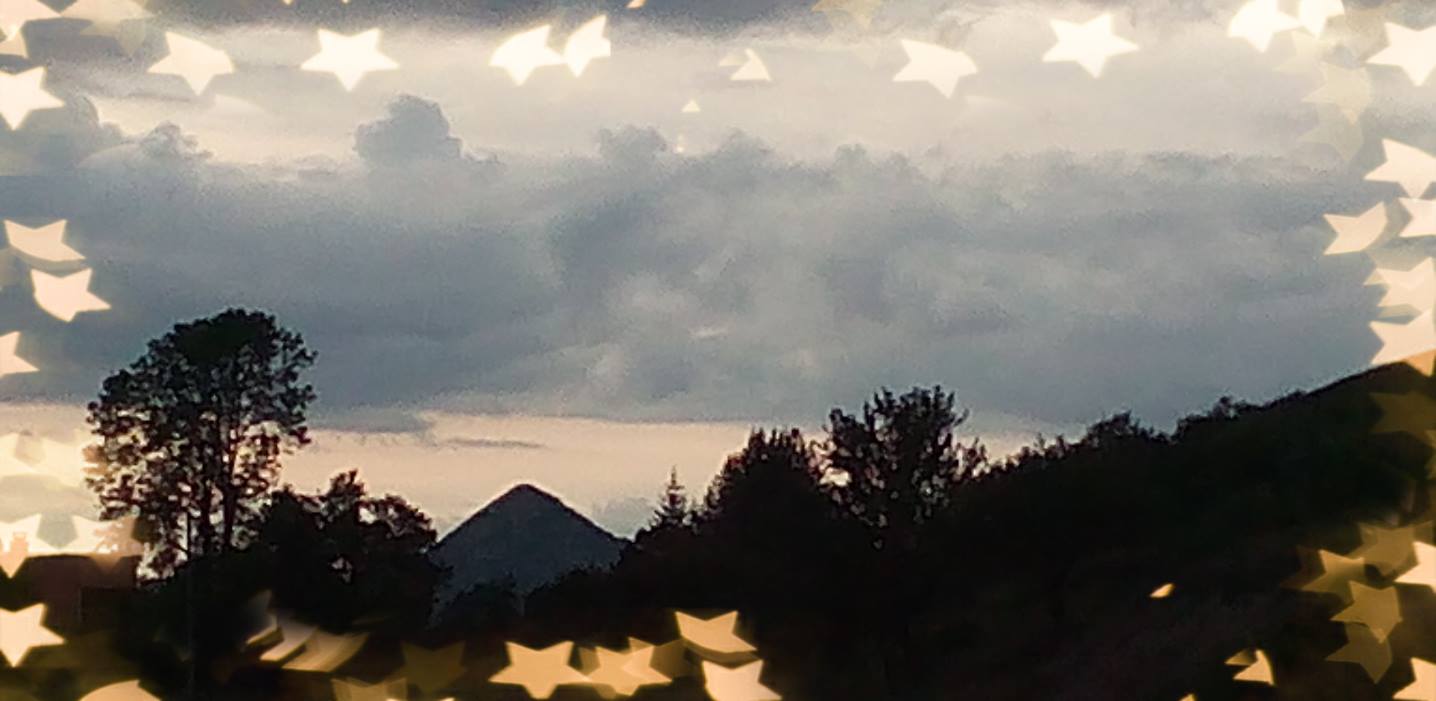
Paramun is just 66 km from Sofia and 14 km from Tran, right near the Serbian border. Not far from the village, there’s a striking peak (captured in a photo I took en route) that bears a strong resemblance—at least in my mind—to the mountain seen in the Paramount Pictures logo. It could just be my imagination, but the resemblance keeps drawing me back.
The landscape here is truly stunning. Because of this quirky resemblance between the Paramun peak and the Paramount logo, I find myself returning again and again—for picnics, fresh air, and of course, more photos. I even stumbled upon an interesting online discussion (in Bulgarian) exploring the similarity between “Paramun” and “Paramount.”
Coincidence or not, it adds a playful twist to an already beautiful journey through western Bulgaria.
Driving further west one arrives in the small town of Tran. Annually, in the beginning of June, Tran hosts a folk festival of Bulgarian dances and songs. This year we experienced some unforgettable moments. Here is just a glimpse:
An impressive gorge, located some 3 km from the town of Tran on the river Erma, offers great views from the eco path & bridges going right through it. A picnic by the river, the pebbles of which have a rubin-like red colour, makes a great day out in nature. Tran is some 80 kilometers away from Sofia. One distinctive feature of the town is the specific Tran dialect of the Bulgarian language spoken in Tran, which is part of the Transitional dialect group.


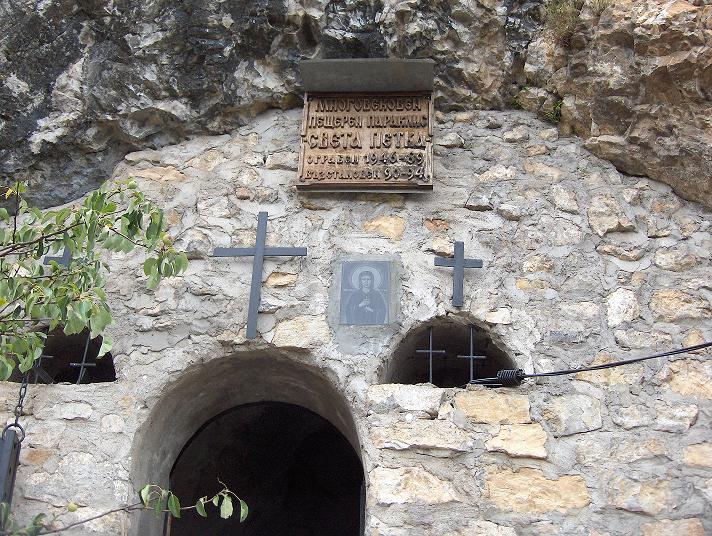
In Tran up on the hill, a place worth visiting, is the small centuries-old rock temple of St. Petka, probably dating back to the 10th century. A hospitable local woman takes us around and tells most interesting stories about it. Saint Petka of the Balkans was an ascetic female saint of the 10th century. She was born in the town of Epivates (close to today’s Istanbul) on the shore of the Sea of Marmara; her parents were wealthy landowners. The legend says that when she was a child, Petka heard in a church the Lord’s words: “Whoever wants to come after Me, let him deny himself, and take up his cross, and follow Me.” (Mark 8, 34). These words would determine her to give her rich clothes away to the poor and flee to Constantinople. Her parents, who did not approve of her decision to follow an ascetic, religious life, looked for her in various cities. Petka fled to Chalcedon, and afterward lived at the church of the Most Holy Theotokos in Heraclea Pontica. She lived an austere life, experiencing visions of the Virgin Mary. Her voyages took her at one point to Tran where she is believed to have found shelter in this cave. She died at the age of 27. Now the small temple attracts numerous pilgrims. There is a place in the rock where her step is imprinted – now a place where one can pray with faith and it is believed wishes are granted.
And further west to the Sebian border there is the peaceful small village called Nasalevtsi, where one comes across an awesome 600+ centuries-old oak tree. The village of Nasalevtsi is some 10 kms away from the town Tran. In 2016 the oak tree was nominated as Tree of the Year 2017. The European Tree of the Year contest originated in 2011. It was inspired by the popular Tree of the Year contest, which has been organised in the Czech Republic by the Czech Environmental Partnership Foundation for many years. The purpose of the European Tree of the Year is to highlight the significance of old trees in the natural and cultural heritage that deserves our care and protection. Unlike other contests, the European Tree of the Year doesn’t focus on beauty, size or age but rather on the tree’s story and its connection to people. Every year dozens or rather hundreds of thousands of people participate in the contest. The number of countries participating has increased from 5 to 16 and Bulgaria is among them.
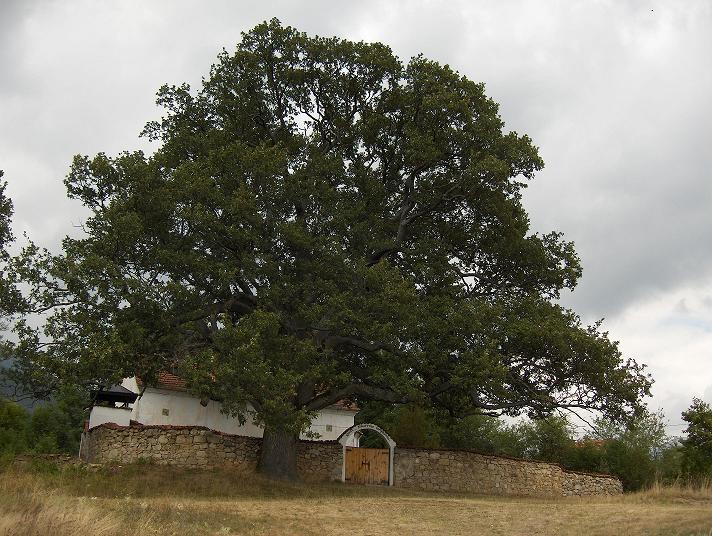
Nestled beneath the magnificent shade of an old oak tree stands the Church of the Nativity of Our Most Holy Lady, the Theotokos. This single-nave church measures 7.95 by 16 meters, with sturdy, one-meter-thick stone walls. The apse, shaped like a Pentecost (semicircular with five sides), is crowned with its own conical roof. The main roof is dual-pitched on the outside and forms a cylindrical vault on the inside, giving the interior both strength and elegance.
The church is reinforced with metal straps and features two entrances—one on the south and another on the west. Above the western entrance, you’ll find delicate six-leaf rosettes and a small niche above them, adding ornamental charm to the simple structure.
Each year on September 8, the church celebrates its feast day with a traditional procession that circles the building counterclockwise, following an age-old ritual.
Climbing further up the hill, you’ll reach a rocky outcrop known by locals as Щърби камик (Shtărbi Kamik, or The Clipped Stone). This point marks the border between Bulgaria and Serbia, with panoramic views that stretch across both countries.
This is one of those lesser-known, tranquil corners of Bulgaria—a peaceful, soul-soothing spot where nature, history, and spirituality come together. There’s so much to see, enjoy, and reflect upon in the quiet beauty of this place.
 Ray Marketing Comms
Get in Touch!